Sunday, January 15, 2017

BUS HISTORY


Steam buses

Amédée Bollée's L'Obéissante (1875)
Regular intercity bus services by steam-powered buses were pioneered in England in the 1830s by Walter Hancock and by associates of Sir Goldsworthy Gurney, among others, running reliable services over road conditions which were too hazardous for horse-drawn transportation.
The first mechanically propelled omnibus appeared on the streets of London on 22 April 1833 Steam carriages were much less likely to overturn, they travelled faster than horse-drawn carriages, they were much cheaper to run, and caused much less damage to the road surface due to their wide tyres.
However, the heavy road tolls imposed by the turnpike trusts discouraged steam road vehicles and left the way clear for the horse bus companies, and from 1861 onwards, harsh legislation virtually eliminated mechanically propelled vehicles from the roads of Great Britain for 30 years, the Locomotive Act of that year imposing restrictive speed limits on "road locomotives" of 5 mph in towns and cities, and 10 mph in the country.

Trolleybuses

World's first trolleybus, Berlin 1882
In parallel to the development of the bus was the invention of the electric trolleybus, typically fed through trolley poles by overhead wires. The Siemens brothers, William in England and Ernst Werner in Germany, collaborated on the development of the trolleybus concept. Sir William first proposed the idea in an article to the Journal of the Society of Arts in 1881 as an "...arrangement by which an ordinary omnibus...would have a suspender thrown at intervals from one side of the street to the other, and two wires hanging from these suspenders; allowing contact-rollers to run on these two wires, the current could be conveyed to the tram-car, and back again to the dynamo machine at the station, without the necessity of running upon rails at all."
The first such vehicle, the Electromote, was made by his brother Dr. Ernst Werner von Siemens and presented to the public in 1882 in HalenseeGermany. Although this experimental vehicle fulfilled all the technical criteria of a typical trolleybus, it was dismantled in the same year after the demonstration.
Max Schiemann opened a passenger-carrying trolleybus in 1901 near Dresden, in Germany. Although this system operated only until 1904, Schiemann had developed what is now the standard trolleybus current collection system. In the early days, a few other methods of current collection were used. Leeds and Bradford became the first cities to put trolleybuses into service in Great Britain on 20 June 1911.

Motor buses

The first internal combustion omnibus of 1895 (Siegen to Netphen)
In Siegerland, Germany, two passenger bus lines ran briefly, but unprofitably, in 1895 using a six-passenger motor carriage developed from the 1893 Benz Viktoria. Another commercial bus line using the same model Benz omnibuses ran for a short time in 1898 in the rural area around LlandudnoWales.
Daimler also produced one of the earliest motor-bus models in 1898, selling a double-decker bus to the Motor Traction Company which was first used on the streets of London on 23 April 1898. The vehicle had a maximum speed of 18 kph and accommodated up to 20 passengers, in an enclosed area below and on an open-air platform above. With the success and popularity of this bus, Daimler expanded production, selling more buses to companies in London and, in 1899, to Stockholm and Speyer. Daimler also entered into a partnership with the British company Milnes and developed a new double-decker in 1902 that became the market standard.
Early LGOC B-type
The first mass-produced bus model was the B-type double-decker bus, designed by Frank Searle and operated by the London General Omnibus Company – it entered service in 1910, and almost 3,000 had been built by the end of the decade. Hundreds saw military service on the Western Front during the First World War.
The Yellow Coach Manufacturing Company, which rapidly became a major manufacturer of buses in the US, was founded in Chicago in 1923 by John D. HertzGeneral Motors purchased a majority stake in 1925 and changed its name to the Yellow Truck and Coach Manufacturing Company. They then purchased the balance of the shares in 1943 to form the GM Truck and Coach Division.
Models expanded in the 20th century, leading to the widespread introduction of the contemporary recognizable form of full-sized buses from the 1950s. The AEC Routemaster, developed in the 1950s, was a pioneering design and remains an icon of London to this day.The innovative design used lightweight aluminium and techniques developed in aircraft production during World War II. As well as a novel weight-saving integral design, it also introduced for the first time on a bus independent front suspensionpower steering, a fully automatic gearbox, and power-hydraulic braking.

Wednesday, January 11, 2017

Wright brothers

                                                     Wright brothers


The Wright brothersOrville (August 19, 1871 – January 30, 1948) and Wilbur (April 16, 1867 – May 30, 1912), were two American brothers, inventors, and aviation pioneers who are generally credited with inventing, building, and flying the world's first successful airplane. They made the first controlled, sustained flight of a powered, heavier-than-air aircraft on December 17, 1903, four miles south of Kitty Hawk, North Carolina. In 1904–05 the brothers developed their flying machine into the first practical fixed-wing aircraft. Although not the first to build and fly experimental aircraft, the Wright brothers were the first to invent aircraft controls that made fixed-wing powered flight possible.
The brothers' fundamental breakthrough was their invention of three-axis control, which enabled the pilot to steer the aircraft effectively and to maintain its equilibrium.This method became and remains standard on fixed-wing aircraft of all kinds. From the beginning of their aeronautical work, the Wright brothers focused on developing a reliable method of pilot control as the key to solving "the flying problem". This approach differed significantly from other experimenters of the time who put more emphasis on developing powerful engines.Using a small homebuilt wind tunnel, the Wrights also collected more accurate data than any before, enabling them to design and build wings and propellers that were more efficient than any before.Their first U.S. patent, 821,393, did not claim invention of a flying machine, but rather, the invention of a system of aerodynamic control that manipulated a flying machine's surfaces.
They gained the mechanical skills essential for their success by working for years in their shop with printing presses, bicycles, motors, and other machinery. Their work with bicycles in particular influenced their belief that an unstable vehicle like a flying machine could be controlled and balanced with practice. From 1900 until their first powered flights in late 1903, they conducted extensive glider tests that also developed their skills as pilots. Their bicycle shop employee Charlie Taylor became an important part of the team, building their first airplane engine in close collaboration with the brothers.
The Wright brothers' status as inventors of the airplane has been subject to counter-claims by various parties. Much controversy persists over the many competing claims of early aviators. Edward Roach, historian for the Dayton Aviation Heritage National Historical Park argues that they were excellent self-taught engineers who could run a small company, but they did not have the business skills or temperament to dominate the growing aviation industry.
                     
                                        வில்பர் ரைட்                                               ஓர்வில் ரைட்


ரைட் சகோதரர்கள் என்றழைக்கப்படும் (Wright brothersஓர்வில் ரைட் (ஆகஸ்ட் 191871 – ஜனவரி 301948), வில்பர் ரைட் (ஏப்ரல் 161867 – மே 30 1912), என்ற இருவரும் அமெரிக்காவைச் சேர்ந்த கண்டுபிடிப்பாளர்களும் விமானத்தைக் கண்டறிந்த முன்னோடிகளும் ஆவர். முதன்முதலில் டிசம்பர் 171903 ஆம் ஆண்டில் பன்னிரெண்டு வினாடிகள் எஞ்சின் உந்தும் ஊர்தியில் பறந்து சாதனை படைத்தவர்கள். வட கரோலினாவின் கிட்டி ஹாக்கில் "ஓர்வில் ரைட்" 12  ஆற்றல் கொண்ட ரைட் பிளையர் எனும் பெட்ரோல் இயந்திரம் பூட்டிய வானூர்தியில் முதன் முதலாகப் பூமிக்கு மேல் 30 மைல்/மணி வேகத்தில் 12 வினாடிகள் 120 அடி தூரம் பறந்து புகழடைந்தார்.[4][5][6][7] 19041905 ஆண்டுகளில் ரைட் சகோதரரின் பறக்கும் ஊர்தி பல முறையில் முற்போக்காகி மேன்மைப்படுத்தப்பட்டது.

இளமை


1878 இல் அவருடைய தந்தை சர்ச் ஆஃப் தி யுனைடெட் பிரெத்ரென் இன் கிறிஸ்ட்டில் ஆயராக இருந்தார். பணிநிமித்தமாக அவர் அடிக்கடி பயணம் செய்தார். அவ்வாறு ஒருமுறை அவர்தம் பயணத்தின்போது எலிகாப்டர் பொம்மை ஒன்றை அவ்விரு குழந்தைகளுக்கும் வாங்கிவந்தார். வான்வழி தொலையளவு முன்னோடியான அல்ஃபோன்ஸ் பேனாட் என்ற பிரஞ்சு நாட்டவரின் கண்டுபிடிப்பை அடிப்படையாகக்கொண்டு காகிதம், மூங்கில், கார்க்கு, இரப்பர் வளையம் ஆகியவற்றால் ஒரு அடி நீளத்திற்கு அப்பொம்மை செய்யப்பட்டிருந்தது. அது உடையும் வரை வில்பரும் ஓர்வில்லும் விளையாடினர், பிறகு அவர்களாகவே அதனை மீளமைத்தனர்.[10]அந்தப் பொம்மைதான் தங்களுக்கு பறப்பதற்கான ஆர்வத்துக்கான ஒரு தொடக்கப் பொறியாக இருந்தது என்று பிற்பாடு அவர்கள் தங்கள் அனுபவம் பற்றிச் சுட்டிக்காட்டினர்.[11]மில்டன் ரைட் என்ற ஆங்கிலேய-டச்சுக்காரருக்கும் சுசான் கேத்ரின் என்ற ஜெர்மன்-ஸ்விஸ் பெண்மணிக்கும் பிறந்தவர்கள் ஏழு பேர். அவர்களில் வில்பர் 1867 இண்டியானாவிலுள்ள மில்வில்லே என்ற இடத்திலும், ஓர்வில் ஒஹையோவின் டேட்டன் என்ற இடத்தில் 1871-இலும் பிறந்தனர். இவ்விருவரும் திருமணமே செய்துகொள்ளவில்லை. ரியூச்லின் (1861–1920), லோரின், கேத்தரின் ரைட் (1874–1929), இரட்டையர்களான ஓட்டிசு மற்றும் இடா ஆகியோர் இவர்களது மற்ற குழந்தைகளாவர். இவர்கள் 1870 இல் பிறந்து குழந்தைகளாக இருக்கும்போதே இறந்துவிட்டனர். தொடக்கப் பள்ளியில் படிக்கும்போது ஓர்வில் குறும்புத்தனம் செய்தார். அதற்காகவே ஒரு முறை அவர் பள்ளியைவிட்டு வெளியேற்றப்பட்டார்.

ஆய்வுகளும் பணிகளும்
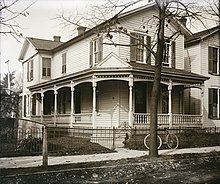
Wright brothers' home at 7 Hawthorn Street, Dayton about 1900. Wilbur and Orville built the covered wrap-around porch in the 1890s.
இரு சகோதரர்களும் உயர்கல்வி வரை பயின்றனர் ஆனால் அதற்கான பட்டயங்கள் எதுவும் பெறவில்லை. 1884 இல் ரைட் குடும்பம் இந்தியானாவிலிருந்து ஒஹையோவிலுள்ள டேட்டனுக்குக் குடிபெயர்ந்தது. இங்கு 1870 வரை இருந்தனர்.
1885 இல் வில்பர் ரைட் ஒருமுறை பனிச்சறுக்கு விளையாட்டில் ஈடுபட்டிருந்த போது ஏற்பட்ட காயத்தால் தனது முன்பற்களை இழந்தார். அதன்பிறகு அவர் முரட்டுத்தனமானவராக மாறினார். எனவே விளையாடச் செல்லாமல் வீட்டிலிருக்கத் தொடங்கினார். சில வருடங்கள் வீட்டில்ருந்த வில்பர் என்புருக்கி நோயால் பாதிக்கப்பட்ட தனது தாயாருக்கு உதவியாக இருந்தார். அச்சமயம் தனது தந்தையின் நூலகத்தில் இருந்த புத்தகங்களைப் படித்துத் தேர்ந்தார். சில நேரஙக்ளில் தனது தந்தைக்கு உதவியாகப் பிரெத்திரென் சபையில் உதவிகள் செய்தார்.
ஆலிவர் ரைட் தனது படிப்பை இடையில் நிறுத்தி 1889 இல் தனது சகோதரர் வில்பரின் உதவியுடன் ஒரு அச்சுக்கூடத்தை நிறுவினார். பிறகு இருவரும் இணைந்து ஒரு வார இதழைத் தொடங்கினார்கள். 'மேற்கத்திய செய்திகள்' (West Side News) என்ற பெயரில் வெளிவந்த இவ்விதழுக்கு ஆர்வில் வெளியிடுவோராகவும் வில்பர் ஆசிரியராகவும் இருந்தனர். 1890 இவ்விதழை நாளிதழாக மாற்றி 'தி ஈவினிங் ஐடெம்' என்ற பெயரில் வெளியிட்டனர். நான்கு மாதங்கள் வெளிவந்த இவ்விதழ் பிறகு நின்று போனது. அதன்பிறகு வணிக நோக்கிலான அச்சகமாக மாறியது. தனது நன்பர்கள் மற்றும் தன்னுடன் பயின்ற மாணாக்கர்களை தங்களது அச்சகத்தின் வாடிக்கையாளர்களாகப் பெற்றனர். அவர்களில் புகழ்பெற்ற ஆப்பிரிக்க அமெரிக்கக் கவிஞரும் எழுத்தாளருமான 'பால் லாரன்சு டன்பர்' என்பவரும் ஒருவர். அதன் பிறகு டன்பர் ஆசிரியராகப் பணியாற்றிய 'டேட்டன் டாட்லெர்'(Dayton Tattler) என்ற வார இதழ் ஒன்றை நீண்ட நாட்கள் அச்சிடட்டனர்.
அச்சுத்தொழில் நொடிந்த நிலையில் 1892 இல் ஒரு மிதிவண்டி பழுது பார்த்தல் மற்றும் விற்பனை நிலையத்தைத் தொடங்கினர்.இங்கு பழைய சைக்கிள்களைப் பரிமாற்றவும் செய்தனர். இது பின்னர் ரைட் மிதிவண்டி நிறுவனமாக மாறியது. 1896 இல் இந்நிறுவனம் தனது மிதிவண்டிகளை சொந்தமாகத் தயாரிக்கவும் செய்தது.
இதிலிருந்து அவர்களது பேராவலாகிய வானப் பயன ஆய்வுக்குத் தேவையான பணம் கிடைத்தது. 1890 இல் அவர்கள் ஒரு முறை நாளிதழ் செய்தி ஒன்றில் ஜெர்மனியைச் சேர்ந்த ஒட்டோ லிலியந்தால் என்பவர் தான் தயாரித்த கிளைடர் என்ற கருவியின் மூலம் இயந்திரம் எதுவுமின்றி காற்றின் சக்தியினால் ஆகாயத்தில் பறந்ததைப்பற்றி ரைட் சகோதரர்கள் கேள்விப்பட்டனர். இதே ஆண்டில் அக்டேவ் சான்யூட், சாமுவேல் பி. லாங்லீ ஆகியோர் கிளைடர் விமானப் பயணம் பற்றிய முயற்சிகளையும் ஆர்வமுடன் படித்தனர். பறக்கும் இயந்திரத்தைக் கண்டுபிடித்துவிடலாம் என்ற நம்பிக்கை மேலும் வளர்ந்தது. அதைப்பற்றி மேலும் தெரிந்துகொள்ள முற்பட்டபோது ஒட்டோ லிலியந்தால் ஒரு பறக்கும் சோதனை முயற்சியில் விபத்தில் சிக்கி உயிரிழந்தார். ரைட் சகோதரர்கள் அதிர்ந்து போனாலும் அவர்களது நம்பிக்கை உதிர்ந்து போகவில்லை.சிமித்சோனியன் என்ற அமைப்பின் தலைவருக்கு அவர்கள் கடிதம் எழுதினர். ரைட் சகோதரர்களின் ஆர்வத்தை உணர்ந்த கழகத்தின் தலைவர் சாமுவேல் பி. லாங்க்லீ ஆகாயத்தில் பறக்க அதுவரை மேற்கொள்ளப்பட்ட முயற்சிகளைப் பற்றியும், வெற்றி தோல்விகளைப் பற்றியும், முன்னேற்றம் பற்றியும் இப்படி எல்லாத் தகவல்களையும் அனுப்பி வைத்தார்.[18] ரைட் சகோதரர்கள் தங்களுக்கு முன் பலர் மேற்கொண்ட அரிய முயற்சிகளைக் கண்டு அவர்கள் மலைத்தனர். அந்த முயற்சிகளால் பெறப்பட்ட அறிவைக்கொண்டு வெவ்வேறு கோணங்களில் சிந்தித்தனர். 1899 இல் அவர்களே வானில் பறப்பது பற்றிய வேலைகளைத் தொடங்கினர். 4 ஆண்டு உழைப்புக்குப் பிறகு 1903 டிசம்பரில் அவர்களது முயற்சி வெற்றி பெற்றது.
இதற்குத் தேவையான எந்திர திறன்களை அவர்கள் தங்களுடைய அச்சுக்கூடம், மிதிவண்டி, மோட்டார்கள், மற்ற இயந்திரங்கள் மூலம் பெற்றனர். பறக்கும் எந்திரம் போன்ற ஒரு நிலையற்ற வாகனத்தைப் பயிற்சி மூலம் கட்டுப்படுத்தி சமநிலையில் நிறுத்தலாம் என்ற நம்பிக்கை மிதிவண்டியுடன் வேலை செய்யும்போது அவர்களுக்கு ஏற்பட்டது. 1900 முதல் 1903 வரை தங்களின் முதல் பறக்கும் விமானம் வரை, அவர்கள் பல மிதவை வானூர்திகளைச் சோதனை செய்தனர். அதன்மூலம் தங்களின் விமானிக்கான திறன்களையும் வளர்த்துக் கொண்டனர். அவர்களுடைய மிதிவண்டி கடையில் ஊழியரான 'கியார்கு கெய்லே' என்பவரும் அவர்களுடைய முதல் வானூர்தியை அமைப்பதில் அவர்களுடன் இணைந்து முக்கிய பங்குவகித்தார்.

தொழில்நுட்பம்

வானில் பல ஆண்டுகளாய்ப் பறக்க முயன்ற பல அறிஞர்கள் தோல்வியுற்ற போது, ரைட் சகோதரர்கள் பல்வேறு சோதனைகளுக்குப் பின் வெற்றி பெற்றதற்கு மூன்று தொழில்நுட்பங்கள் உதவின. முதல் முதலாக இறக்கை ஊர்திப் பறப்பியல் பயிற்சி முறையில் 'முன்னுந்தல்' (Thrust), 'மேலெழுச்சி'(Lift), 'திசைதிருப்பி'(Rudder) எனப்படும் 'முப்புற உந்தல் கட்டுப்பாடு 'என்ற நுணுக்கத்தை ரைட் சகோதரர்கள் கையாண்டனர். ரைட் சகோதரர்கள். இரண்டாவது ஊர்திக்கு முன்னுந்தல் ஆற்றலைத் தருவதற்கு எண்ணெயிலியங்கும் எரிபொருள் இயந்திரத்தைப் புகுத்தி அதிக வேகத்தை அளித்தனர். மூன்றாவதாக 1900-1903 ஆண்டுகளில் ஆர்வில்ரைட், வில்பர்ரைட் இருவரும் [Wind Tunnel] ஒன்றைத் தயாரித்து 200 விதமான இறக்கைகளைச் சோதித்துத் தகுதியான ஒன்றைத் தேர்ந்தெடுத்தனர்.

முயற்சிகளும் வெற்றியும்

வாஷிங்டன் டி. சி யில் உள்ள தேசிய வானாய்வு அருங்காட்சியகக் கூடத்தில்(National Air and Space Museum in Washington, D.C)வைக்கப்பட்டுள்ள 1903 இல் ரைட் சகோதரர்கள் பறந்த விமானம்.
அமெரிக்கா வட கரோலினா கிட்டி ஹாக்கில் [Kitty Hawk, North Carolina]1903 டிசம்பர் 17 ஆம் தேதி ஆர்வில் ரைட் முதன் முதலாக எஞ்சின் ஊர்தியை இயக்கி 12 வினாடிகள் பூமிக்கு மேல் பறந்தார். அடுத்து வில்பரும், ஆர்விலும் அன்றைய தினம் மாறி மாறி நான்கு தடவைகள், பறந்து காட்டி, ஊர்தியின் பறப்பியல் திறனை நிரூபித்தார்கள். வில்பர் ரைட் முற்பட்ட மூன்றாவது இறுதி முயற்சியில், ஆர்வில் ரைட் 12 குதிரைத் திறன் ஆற்றல் கொண்ட, 600 பவுண்டு எடை கொண்டிருந்த, பெட்ரோல் இயந்திரம் பூட்டிய பறக்கும் ஊர்தியில் முதன் முதலாகப் பூமிக்கு மேல் ஆகாயத்தில் மணிக்கு 30 மைல் வேகத்தில் 59 வினாடிகள் 852 அடி தூரம் பறந்து காட்டிச் சரித்திரப் புகழடைந்தனர். 1901 ஆம் ஆண்டில் மார்க்கோனி ரேடியோத் தொடர்பை முதலில் நிரூபித்துக் காட்டியபின், இருபதாம் நூற்றாண்டின் மகத்தான இரண்டாவது சாதனையாக 1903 இல் ரைட் சகோதரரின் வான ஊர்திப் பறப்பு கருதப்படுகிறது 

Tuesday, January 10, 2017

Flight


Airliner


                   An airliner is a type of aircraft for transporting passengers and air cargo. Such aircraft are most often operated by airlines. Although the definition of an airliner can vary from country to country, an airliner is typically defined as an aircraft intended for carrying multiple passengers or cargo in commercial service.
The largest airliners are wide-body jets. These aircraft are frequently called twin-aisle aircraft because they generally have two separate aisles running from the front to the back of the passenger cabin. These aircraft are usually used for long-haul flights between airline hubs and major cities with many passengers.
A smaller, more common class of airliners is the narrow-body or single aisle aircraft. These smaller airliners are generally used for short to medium-distance flights with fewer passengers than their wide-body counterparts.
Regional airliners typically seat fewer than 100 passengers and may be powered by turbofans or turboprops. These airliners are the non-mainline counterparts to the larger aircraft operated by the major carriers, legacy carriers, and flag carriers and are used to feed traffic into the large airline hubs. These regional routes then form the spokes of a hub-and-spoke air transport model.
The lightest (light aircraftlist of light transport aircraft) of short haul regional feeder airliner type aircraft that carry 19 or fewer passenger seats are called commuter aircraft, commuterliners, feederliners, and air taxis, depending on their size, engines, how they are marketed, region of the world, and seating configurations. The Beechcraft 1900, for example, has only 19 seats.

Monday, January 9, 2017

Dalhousie 3 star package for 03 days


 Package Duration :2 Nights/ 3 Days


Inclusions
  • Welcome drink on arrival
  • Accommodation on twin sharing basis.
  • 02Breakfast and 02Dinner.
  • Transfers and Sightseeing by Indigo for 02 person/ Innova for 04 -06 person
  • All Taxes. Except 4.5% GST

 
Exclusions
  • Any other expenses which are not specified in the package inclusions.
  • Expense of personal nature such as laundry, mini bar etc.
  • The Government Service Tax of 4.5% will be applicable on total bill.
  • Any Loss / expenses incurred by unforeseen circumstances e.g. flight delays/cancellations, road blockage, vehicle breakdown strikes etc
  • Rates are not valid For long weekend and Festive season.


Package Itinerary  2 Nights/ 3 Days
Day 1
Arrive at Delhi/Chandigarh - Dalhousie
On arrival pick up from Delhi /Chandigarh (Please select the departure city from right side top of the package to know the rates) and drive to Dalhousie. The Hill Station of Dalhousie is full of old world charm and holds lingering echos of the Raj Era .Upon arrival check-in at the hotel. leisure at evening. Overnight stay at the hotel.
Meals : Dinner
Day 2
Dalhousie - Khajjiar excursion
After breakfast, drive for an excursion to Khajjiar, popularly known as Mini Switzerland. Return to Dalhousie overnight stay at the hotel.
Meals : Breakfast and Dinner
Day 3
Dalhousie - Delhi / Chandigarh
After an early Morning breakfast, check-out from your hotel for a drive to Delhi/ Chandigarh as per chosen city. End of tour services!
Meals : Breakfast

 Hotel Mohan Palace     
 
2 Nights
Hotel Details
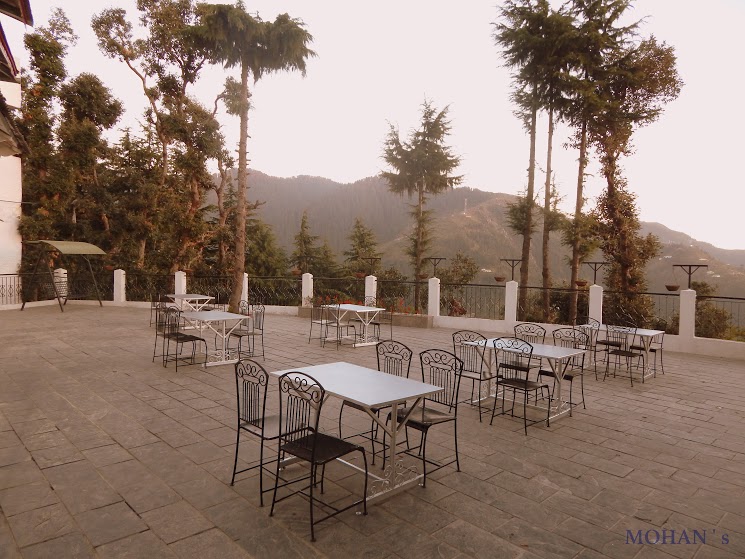
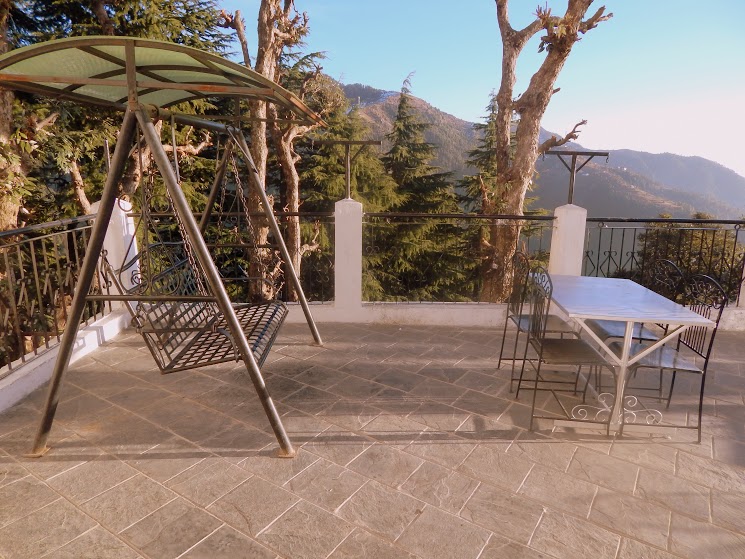
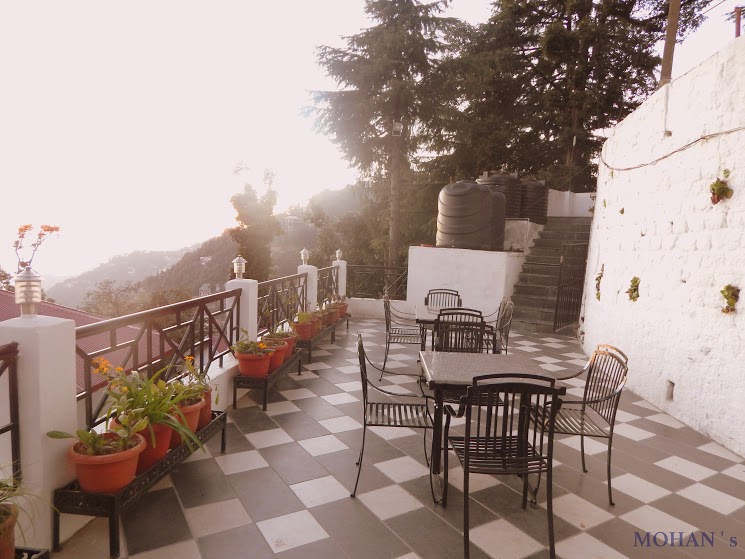
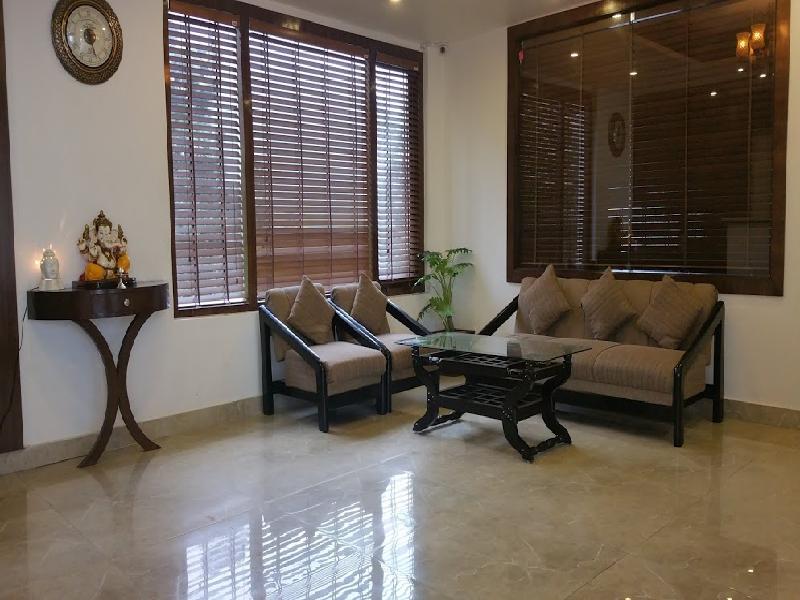
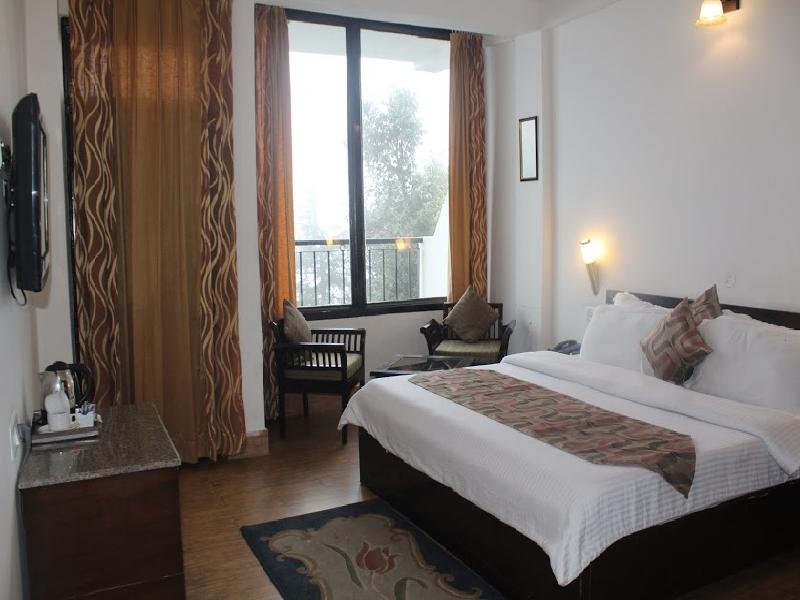
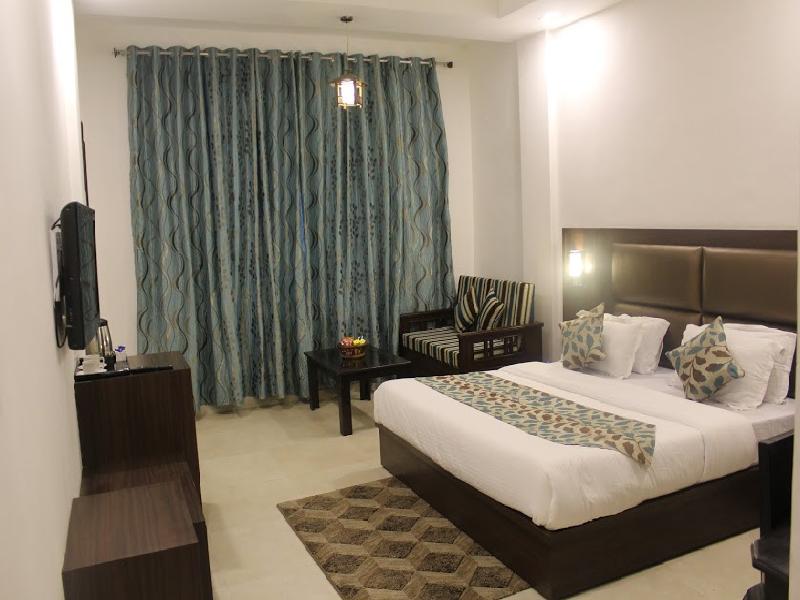
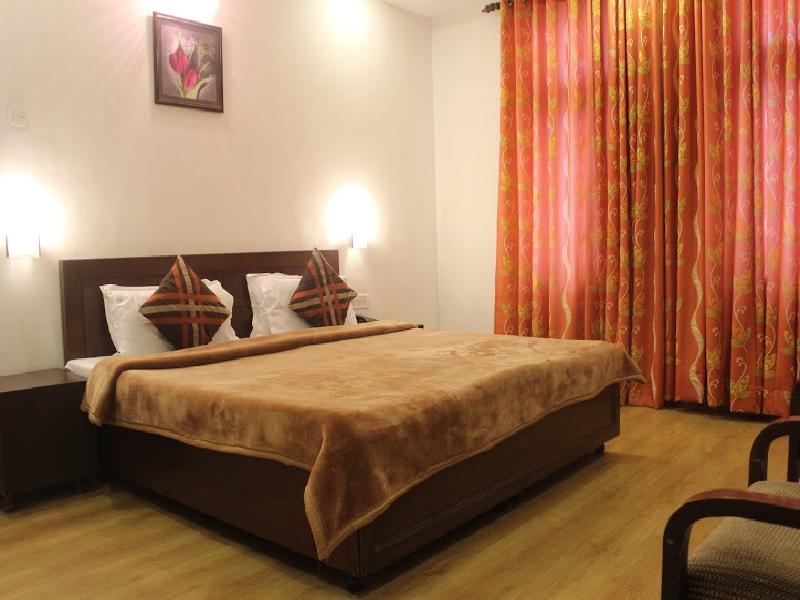
{"GENERAL":["Hotel MOHAN Palace is best choice for your stay in Dalhousie. Located on Khajiar Road, walking distance from Gandhi Chowk of Dalhousie Hotel Mohan Palace is equipped with all modern hospitality services and facilities <br/>Hotel Mohan Palace offers spacious Luxury Rooms & Suite for a pleasant stay for your holiday trip. Our multi cuisine restaurant Salt n Pepper provides you the tasty food. Here you can enjoy Sunrise and Sunset view just from your room. Most of our rooms have private balconies for your comfort"]}
Hotel Photos
  • Hotel Mohan Palace
  •  
  • Hotel Mohan Palace
  •  
  • Hotel Mohan Palace
  • Hotel Mohan Palace
  •  
  • Hotel Mohan Palace
  •  
  • Hotel Mohan Palace
  • Hotel Mohan Palace

Singapore 4 star Package for 5 days


Package Duration :             
4 Nights/ 5 Days                                                                                          Per person / Twin Sharing
                                                                                                                        28,748
                                                                                                                      25,299
                                                                                                                   Send Enquiry             
Inclusions
  • Four nights accommodation in Singapore
  • Daily breakfast
  • Return airport transfers on Seat in Coach Basis
  • Half Day Panoramic City Drive of Singapore on Seat in Coach Basis

Exclusions
  • Airfare
  • Government Service Tax of 4.5%
  • Visa Fees and Travel Insurance
  • Guaranteed early check in or late check out. This is completely at the discretion of the hotel and we can only put in a request for the same.
  • Any expenses of personal nature
  • Tips and porterage
  • Surcharges as applicable due to peak season, surcharge dates, trade fair dates, Christmas, New Year week.
  • Any services not mentioned in the inclusions list
  • Meals other than specified in the itinerary.
  • Drinks including Water during meals / sightseeing tours are not included


Package Itinerary  4 Nights/ 5 Days
Day 1
Arrive in Singapore
Upon Arrival at Singapore Changi Airport, meet our local representative, who will assist your transfer to the hotel. On reaching the hotel, complete all the check-in formalities and take rest in your room or Explore the city on your own.
Day 2
City Tour
After a hearty breakfast, Proceed for the Half day City Tour including The Merlion Photoshop, Fountain of Wealth, Suntec City, Orchard Road, Little India and China town. Return back to hotel. Overnight in Singapore.
Meals : Breakfast
Day 3
Day at Leisure
After a hearty breakfast, you have the rest of the day at leisure to explore the marvels of Singapore or Choose from any of our optional tours.
Meals : Breakfast
Day 4
Day at leisure
After a hearty breakfast, you have the rest of the day at leisure to explore the marvels of Singapore or Choose from any of our optional tours.
Meals : Breakfast
Day 5
Departure
Morning enjoy your breakfast at hotel, check-out from the hotel. Then, transfer to Singapore Changi Airport to board your return flight home.
      Meals : Breakfast     


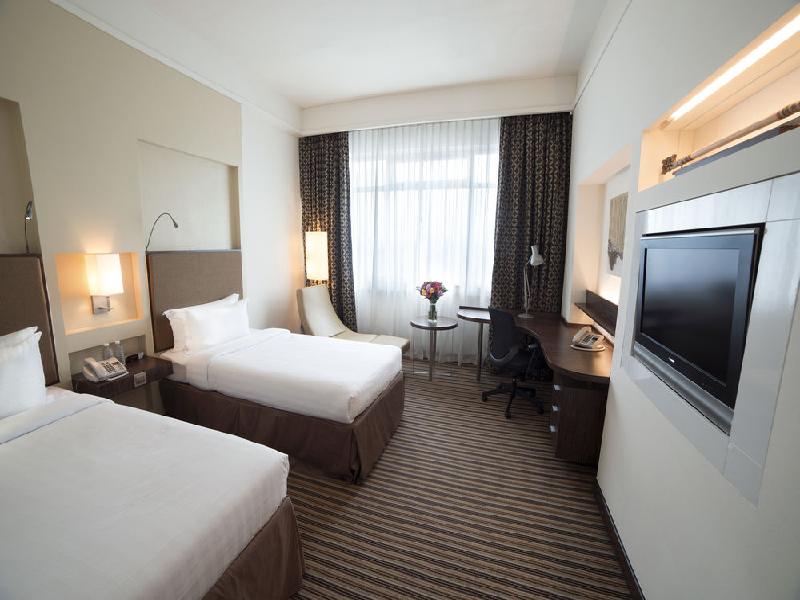
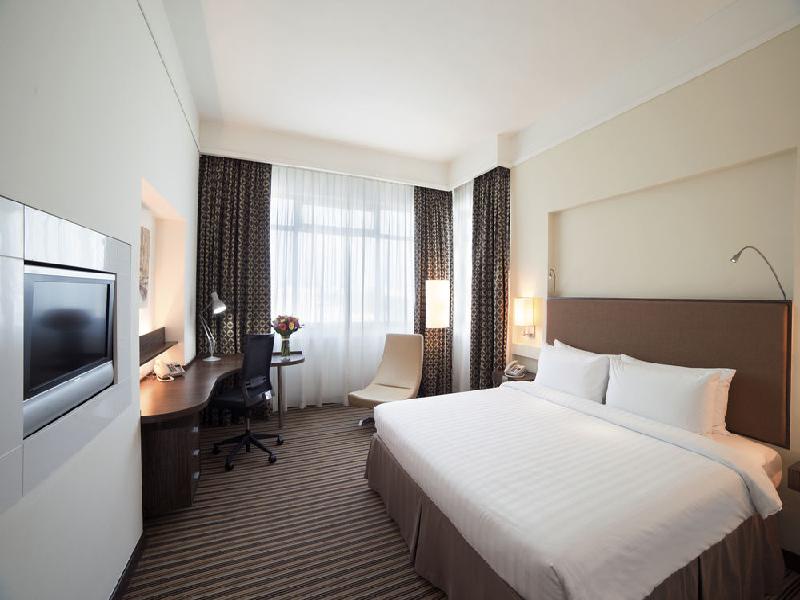
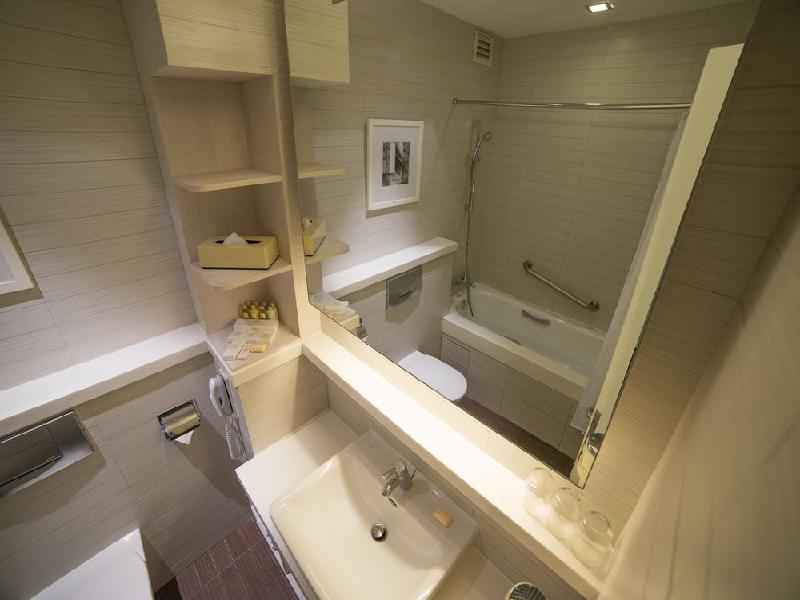
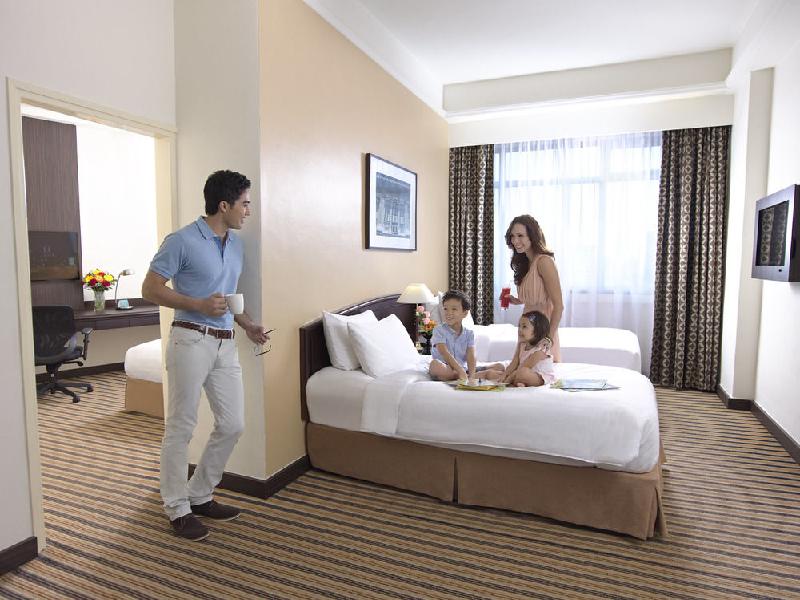
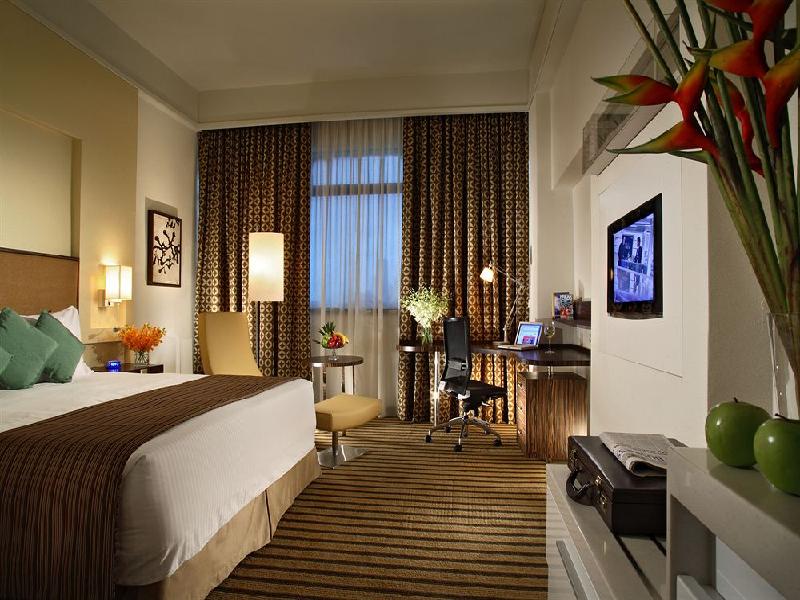
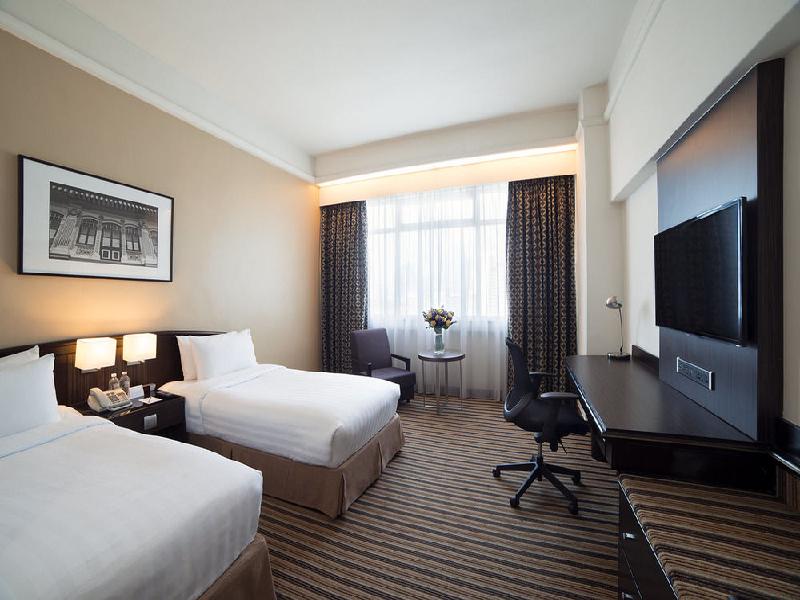
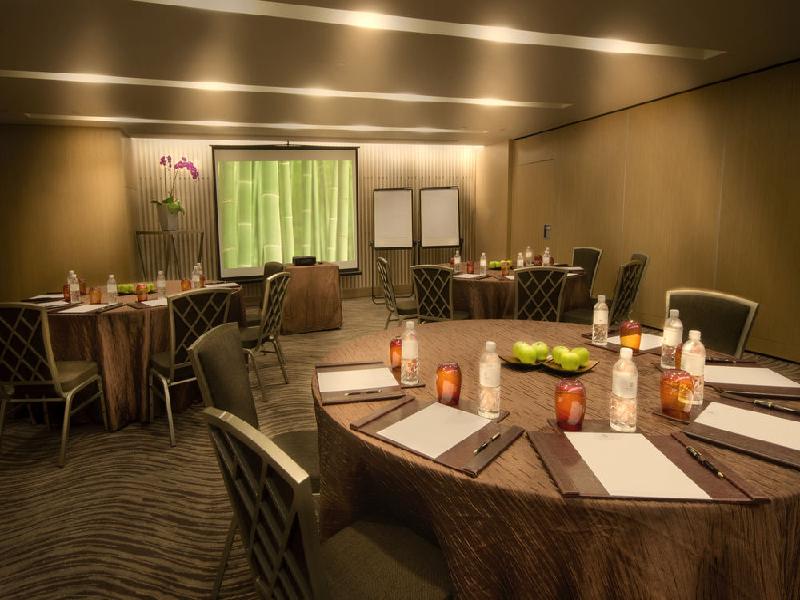
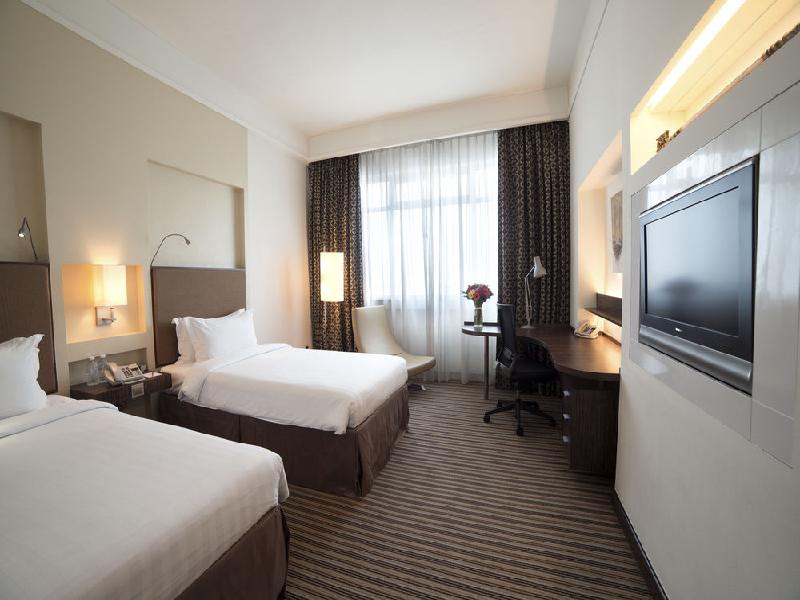
 PARKROYAL on Kitchener Road  
 

Hotel Details

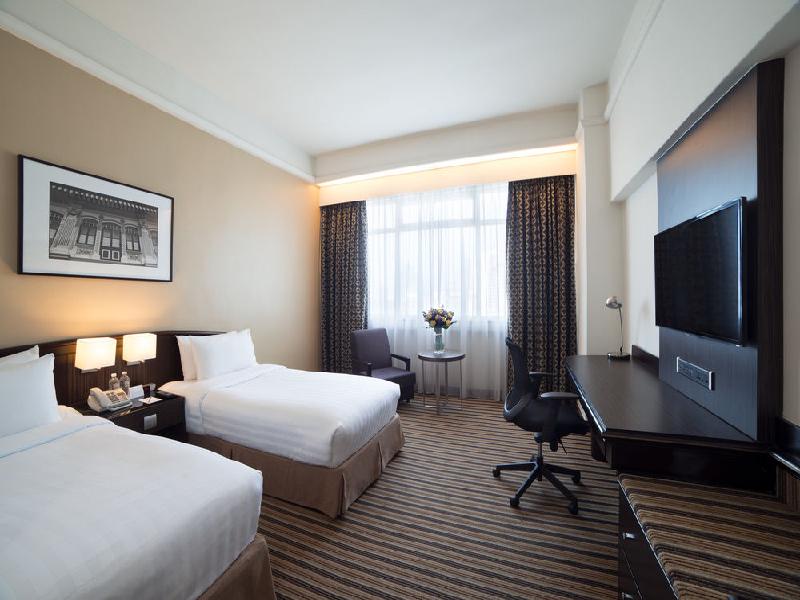
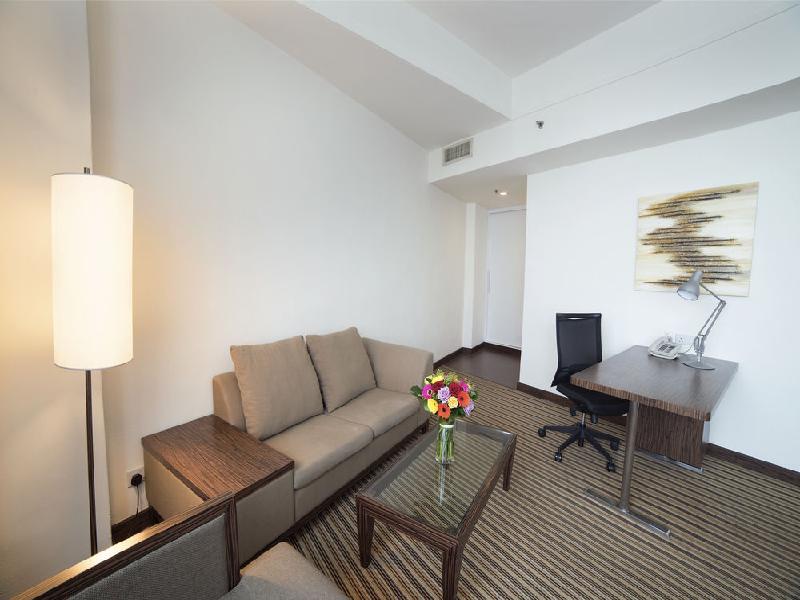
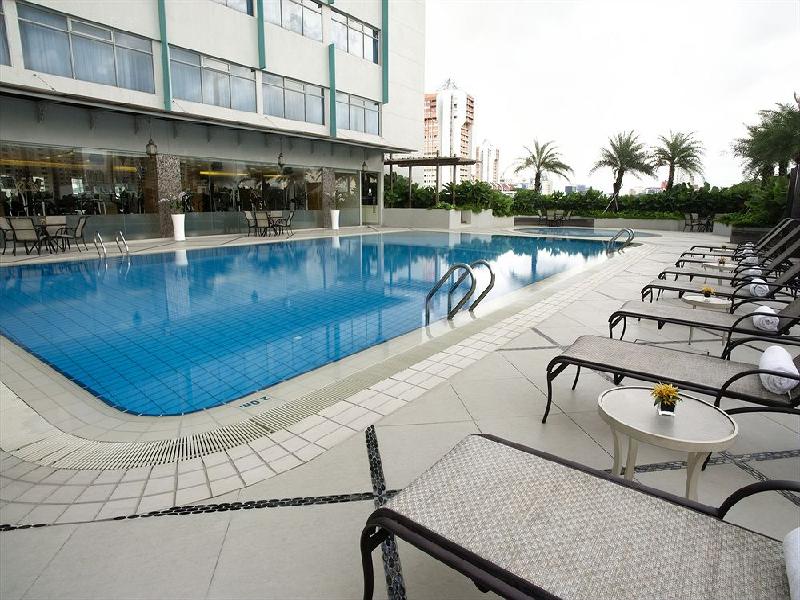
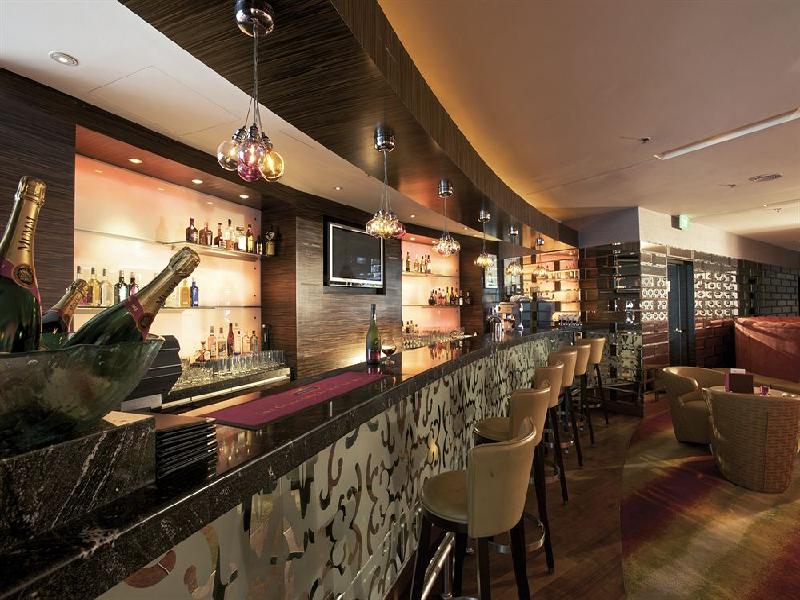
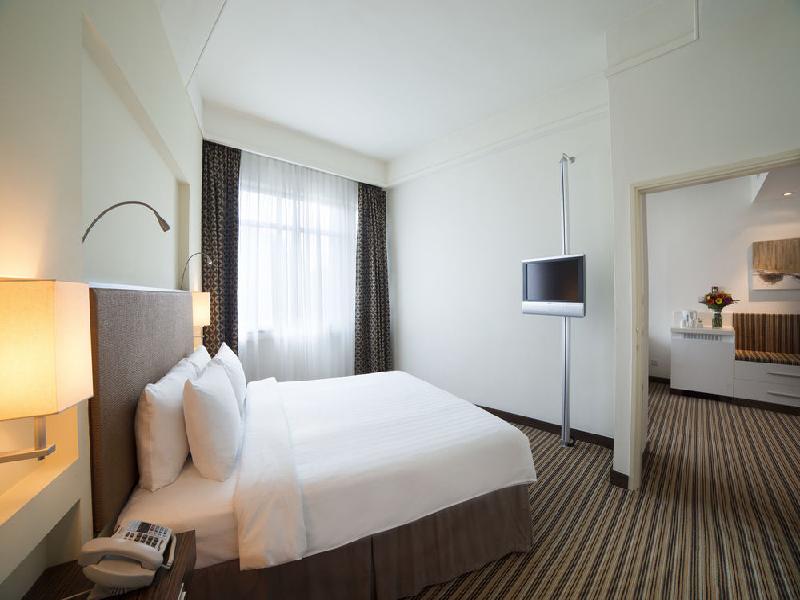
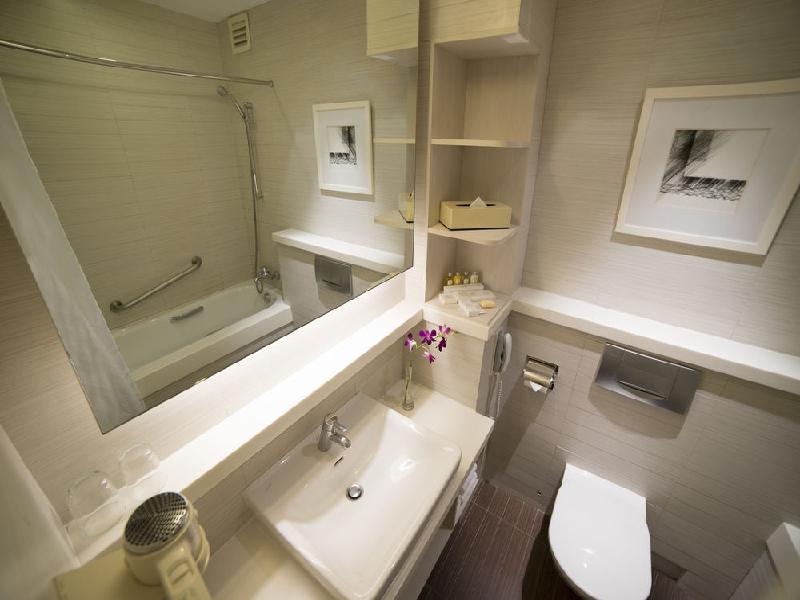
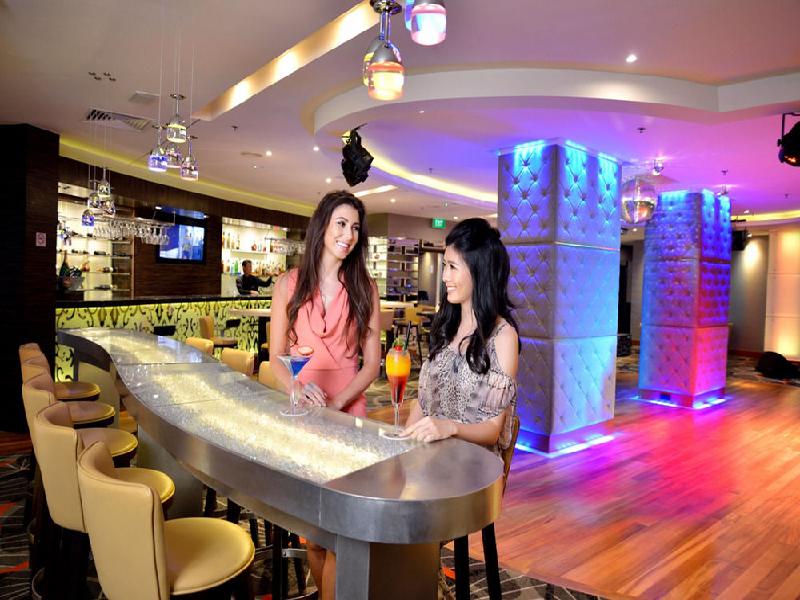
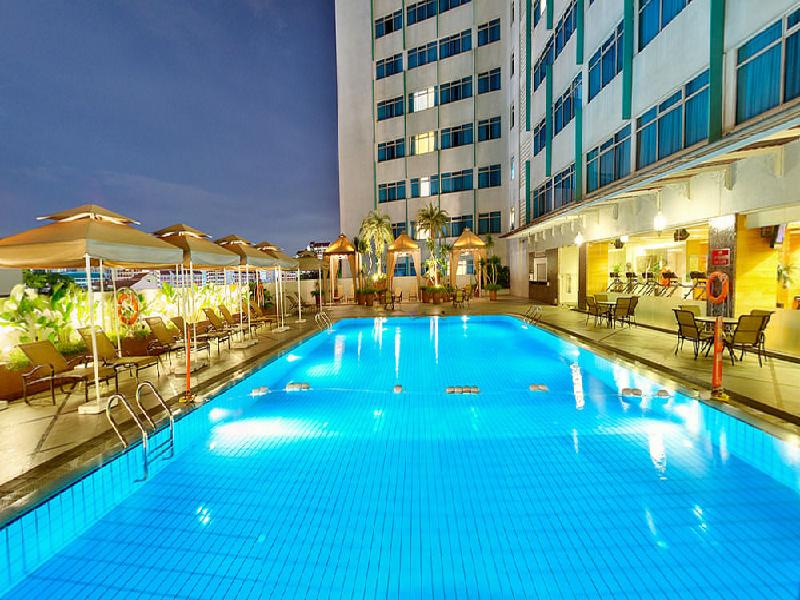
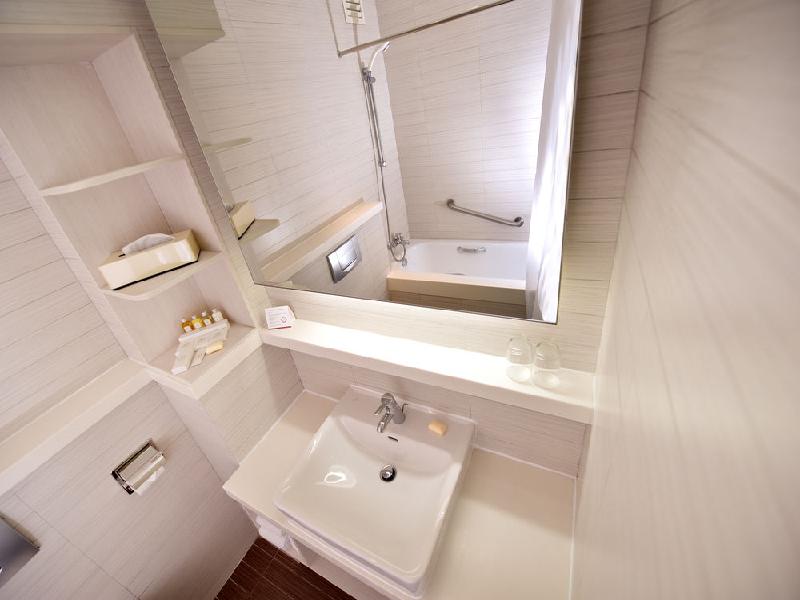
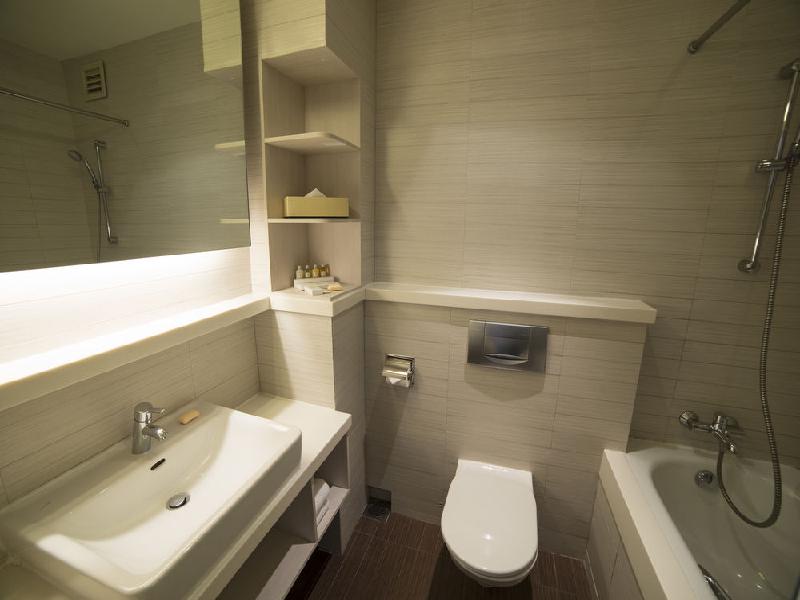
{"GENERAL":["Property Location With a stay at PARKROYAL on Kitchener Road, youll be centrally located in Singapore, steps from City Square Mall and Mustafa Centre. This 4-star hotel is close to Chinatown Heritage Center and National Orchid Garden. Rooms Make yourself at home in one of the 534 air-conditioned rooms featuring flat-screen televisions. Relax and take in city views from the privacy of your room. Complimentary wireless Internet access keeps you connected, and cable programming is available for your entertainment. Private bathrooms with shower/tub combinations feature complimentary toiletries and hair dryers. Rec, Spa, Premium Amenities Take advantage of recreational opportunities offered, including an outdoor pool, a steam room, and a fitness facility. Additional features include complimentary wireless Internet access, wedding services, and a television in the lobby. Dining Enjoy a meal at one of the hotels dining establishments, which include 2 restaurants and a coffee shop/caf. From your room, you can also access 24-hour room service. Quench your thirst with your favorite drink at a bar/lounge. Breakfast is available for a fee. Business, Other Amenities Featured amenities include high-speed (wired) Internet access (surcharge), audiovisual equipment, and currency exchange. Event facilities at this hotel consist of conference/meeting rooms, small meeting rooms, and a ballroom. Free parking is available onsite."]}
Hotel Photos
  • PARKROYAL on Kitchener Road
  •  PARKROYAL on Kitchener Road

  • PARKROYAL on Kitchener Road
  • PARKROYAL on Kitchener Road

  • PARKROYAL on Kitchener Road

  • PARKROYAL on Kitchener Road
  • PARKROYAL on Kitchener Road

  • PARKROYAL on Kitchener Road

  • PARKROYAL on Kitchener Road
  • PARKROYAL on Kitchener Road

  • PARKROYAL on Kitchener Road

  • PARKROYAL on Kitchener Road
  • PARKROYAL on Kitchener Road

  • PARKROYAL on Kitchener Road

  • PARKROYAL on Kitchener Road
  • PARKROYAL on Kitchener Road

  • PARKROYAL on Kitchener Road

  • PARKROYAL on Kitchener Road
  • PARKROYAL on Kitchener Road

  • PARKROYAL on Kitchener Road
  •